Advancing technology is opening up new ways to enhance performance using pressure. Here, Xianzhi Zhang, TG0's product owner, explains how her team approaches a pressure insert project.
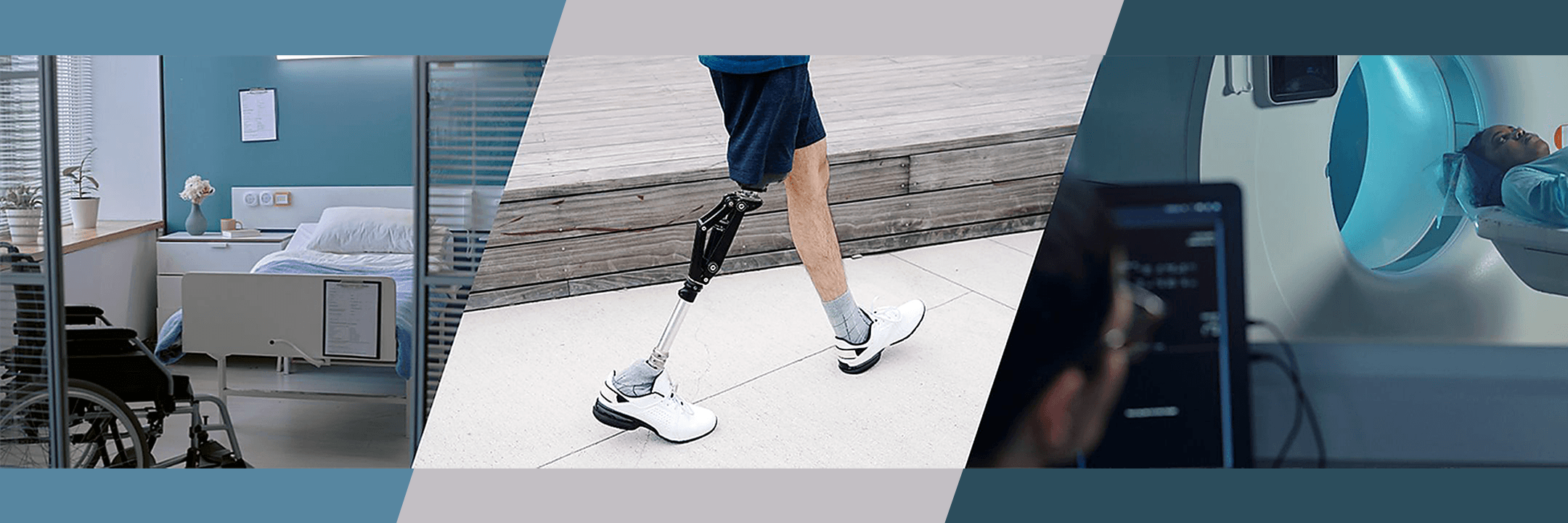
The possibilities of what we can do with pressure when it's mapped effectively are expanding rapidly. In healthcare, mapping pressure helps prevent pressure sores, monitor rehabilitation progress, and personalise care. In sport and fitness, equipment with pressure mapping built in can evaluate performance and provide personalised feedback to athletes. In automotive, pressure-mapped seats can take the driver experience to the next level without cameras or other sensors.
The Seven-Step Process
**1. Define the sensing area**
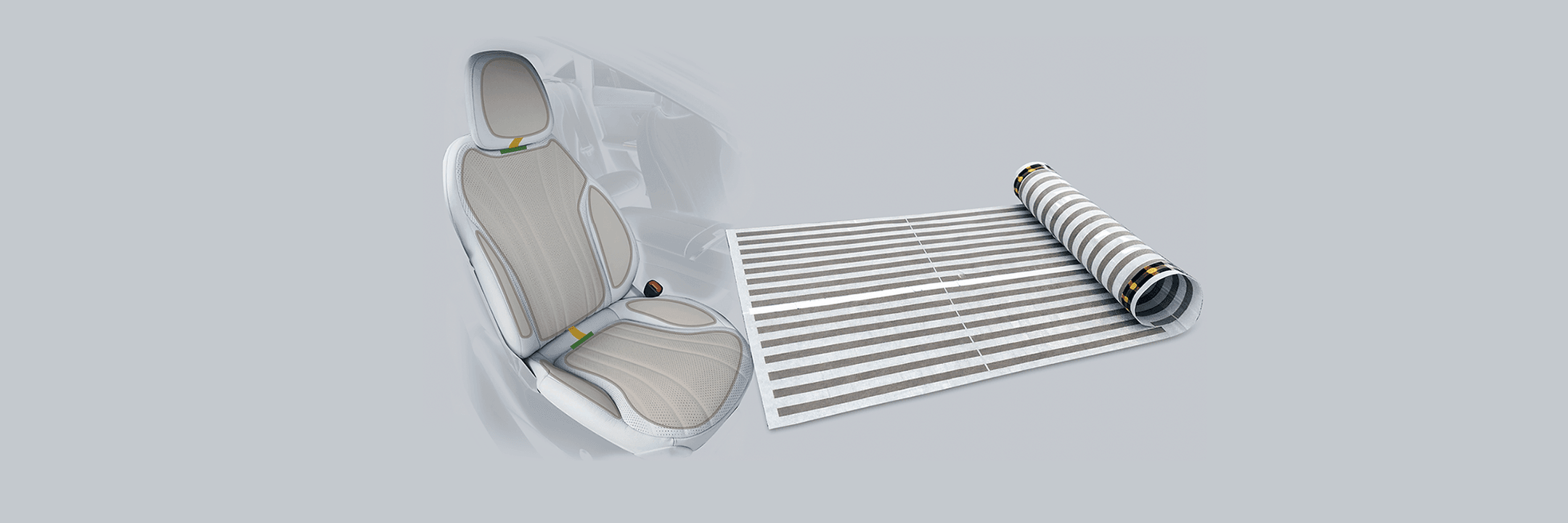
Designers start every project by determining the size and scope of the sensing area through user testing, client input, and in-depth technical analysis — determining the number of sensors required based on the use case and goal. A car seat may require sensing inserts in the seat pan, backrest, and bolsters; a shoe insole needs a much smaller sensing area.
**2. Determine the insert location**
Once the sensing area is defined, the team identifies the best location for the sensing insert. This can typically be incorporated within a product's existing structure and manufacturing processes — in a car seat, for example, the sensing insert could replace an existing layer of foam.
**3. Select the appropriate material**
A suitable conductive material is chosen — whether hard or soft, foam or sheet — to meet specific needs for hardness, thickness, and stretchability. TG0 combines the sensing element with appropriate non-conductive materials to integrate it into the product's existing surface. The ability to use conductive material rather than rely on electronic components enables considerable cost savings.
**4. Set the resolution**
Finding the optimal resolution requires a balance between cost and usability. Higher XY resolution requires more MCU processing power, increasing costs and assembly challenges. The right resolution depends on how much force will typically be applied, and how much data is required.
**5. Consider mechanical design**
The team develops mechanical solutions to integrate components like cables, PCBs, structural parts, and connections seamlessly into the product, ensuring the signal can be read with software designed by TG0 or the client.
**6. Calibrate**
Once hardware is in place, the raw data must be mapped to pressure force information. TG0 has established calibration methods and stations that accurately convert the sensor's output into meaningful force or pressure data tailored to the device's specific needs.
**7. Taking a design to manufacturing**
Once the design is complete, TG0 collaborates with manufacturing partners or the client's existing suppliers to bring the design into mass production.
More Customised, More Reasonably Priced
TG0 offers an end-to-end solution that is lower-priced, customised to fit into existing products, and doesn't require cameras or other sensors. Machine learning and AI will allow continued innovation — capturing more data and visualising relevant insights over a very short timeframe.