That trade-off is why a different approach is gaining ground, one that doesn't ask designers to choose between tactile controls and digital flexibility. Pressure mapping and deformation sensing let a vehicle interior keep the feel of a physical control while gaining everything a touchscreen promised: software-defined behaviour, fewer components, and a design that isn't boxed in by switch geometry.
Two ways of sensing, one seamless surface:
TG0's tactile touch technology works by engineering pressure mapping and deformation sensing directly into the material, rather than adding a discrete sensor on top of it. A moulded, conductive surface like a console, a panel, or steering wheel rim, becomes the input device itself, enabling physical AI interactions where human intent is processed seamlessly through physical surfaces.
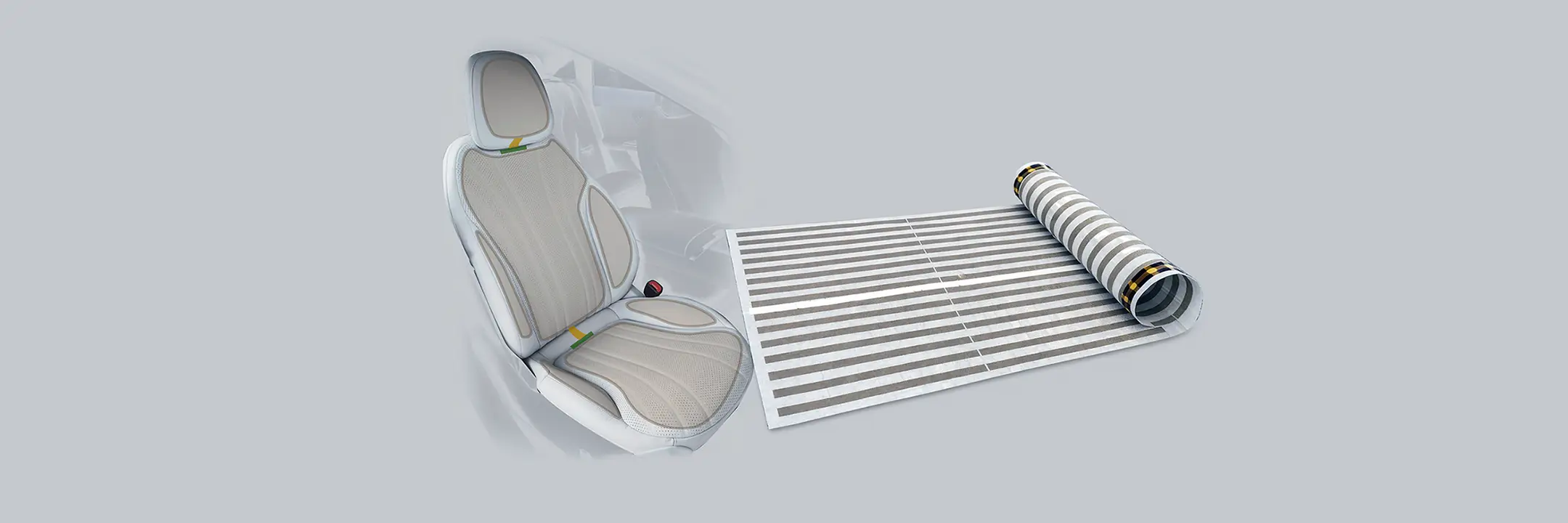
Deformation sensing uses hollowed structures built into an injection-moulded conductive material, so that any internal flex generates a readable electrical signal, no separate strain gauge or switch mechanism required. Advanced pressure sensing goes a step further, using scanning electrical circuits and firmware to resolve multiple pressure points at once, capturing both static and dynamic pressure rather than a simple on/off state. Paired with tactile and gesture sensing, which can detect touch location across a moulded panel through a single electrical connection, the result is a surface that reads intent the way a physical button does, without the stack of wiring and mechanical parts a button requires.
Tactile touch technology in production: Shipping in Tier 1 programmes
The clearest evidence this works at automotive scale is who's already building with it. TG0 has worked with Novares since 2019 on intuitive command systems for vehicle interiors, including integrating "Squeeze command" interaction into Novares' own product demonstrator. With JOYSONQUIN, a premier decorative trim supplier, the focus has been on immersive 3D touch and pressure-sensitive surfaces that bridge the gap between mechanical switches and smart surfaces, giving OEMs more design freedom without giving up tactile control.
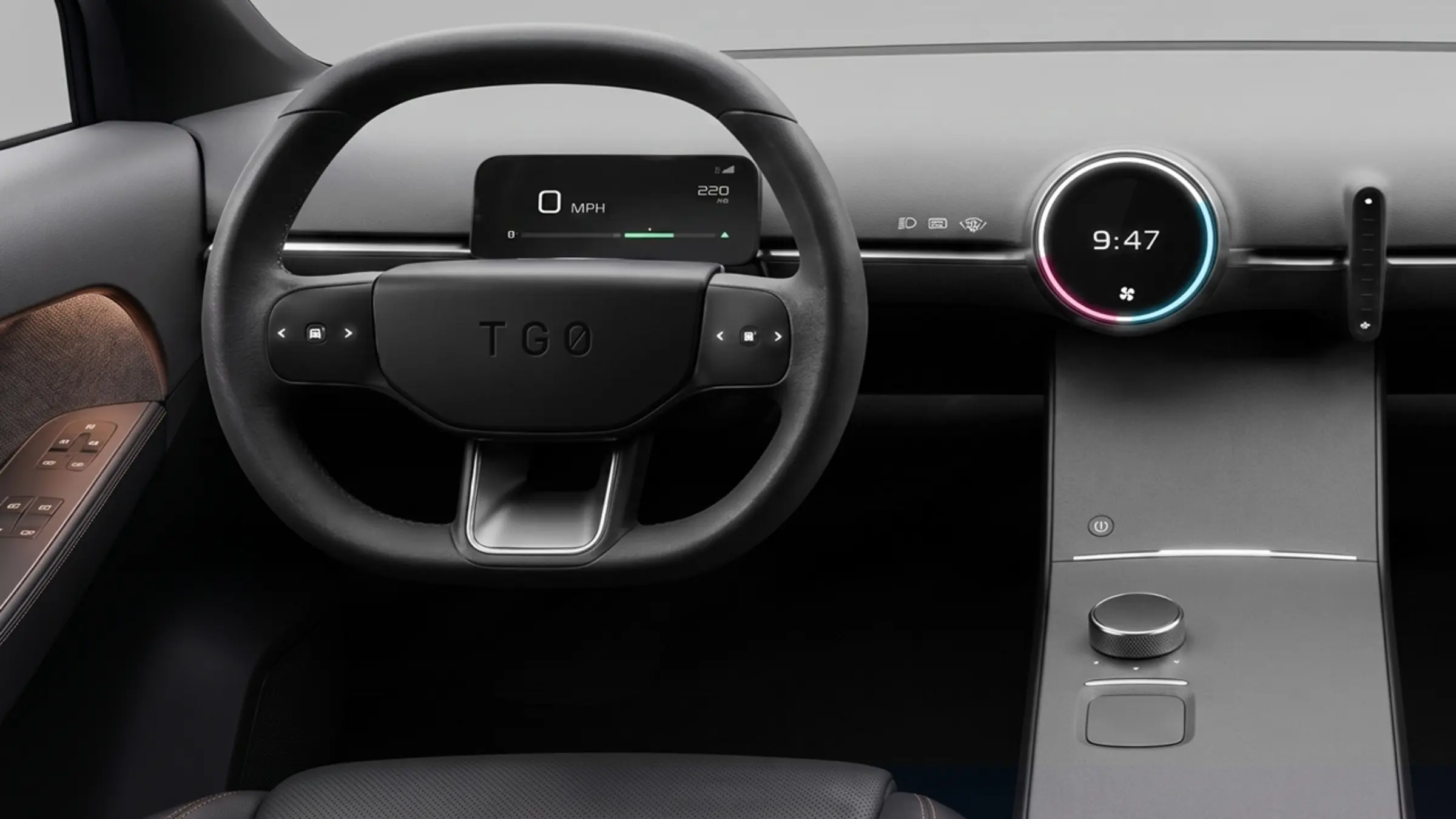
The Italdesign collaboration shows what that looks like in a finished interior. Working on a centre console, TG0 combined a multi-functional slider, seamless capacitive buttons, and a 3D deformation-sensing push/pull tab into a single, seamless, contoured surface, with inset lighting and no visible seams or cut-outs. Beyond the aesthetic result, removing those styling gaps makes the console genuinely more weather- and dust-resistant, and the added tactility is positioned to support, not compromise, a 5-star safety rating. It's a useful case study precisely because it wasn't built as a one-off demo: it's a real console project with a named design partner, built to the same programme constraints as any other automotive interior component.
Alongside these named collaborations, TG0's technology is in use with premier OEMs across the UK and North America, in each case replacing conventional switch architecture with a sensing surface built into the part itself.
The case for pressure mapping and tactile sensing
None of this matters to an automotive buyer unless the numbers work, and this is where pressure mapping and deformation sensing make a case that's hard to ignore on cost grounds alone. Replacing a multi-layered sensor stack with a single injection-moulded structure has delivered up to 25% in bill-of-materials savings, alongside up to 50% fewer steps in the assembly line, since there's no longer a separate sensor layer to source, wire, and install. Across TG0's broader platform, that translates to a 20%+ reduction in component cost and a 30% reduction in weight versus conventional control architectures, real figures for a vehicle programme where every gram and every supplier line still matters.
The resolution argument holds too: TG0's sensing achieves the same resolution as capacitive sensors while using fewer electrical connections. And the crossover point is concrete rather than directional, in a study with an OEM customer, TG0's approach became more cost-effective than capacitive switches once a design called for more than five touchpoints, which describes most modern centre consoles and door panels.
None of this is theoretical durability either. The sensing has been tested to 300,000 presses across a −40°C to 85°C range, and has passed RFQ testing with Novares and multiple other Tier 1 suppliers against stretchability, endurance, EMI/EMC compliance, and vibration resistance, the same bar any mechanical switch would need to clear to make it into a vehicle programme.
What physical AI and surface sensing mean for the next vehicle interior
The real shift isn't about pressure mapping and deformation sensing can replacing a button, it's that once sensing lives in the material rather than in a discrete component, what a surface does stops being fixed at tooling. A console built this way can support new gestures or functions through a software update, the way the rest of a software-defined vehicle already does, without a single new part on the bill of materials. For an industry under constant pressure to cut cost and weight while adding more functionality to the same interior, that's not a trade-off. It's the rare case where all three move in the same direction at once.