TG0 has collaborated with University College London's Person-Environment-Activity Research Laboratory (PEARL) on a demonstration project shaping the future of smart cities.
The concept of the "smart city" has been something of a utopian dream for planners over the past decade. But the evolution of smart technology and AI has brought more of those capabilities within reach. More than 200,000 people are already hailing driverless robotaxis in San Francisco and Los Angeles every month. The number of smart buildings — which can monitor and automate lighting, heating, and ventilation — is expected to reach 115 million worldwide by 2026.
Here, Fiona Jamieson, Strategic Partnerships Director for Civil Engineering at UCL, and Steve Mayo, PEARL's specialist lead for sound, discuss their latest project and the role TG0's pressure sensing technology played.
About PEARL
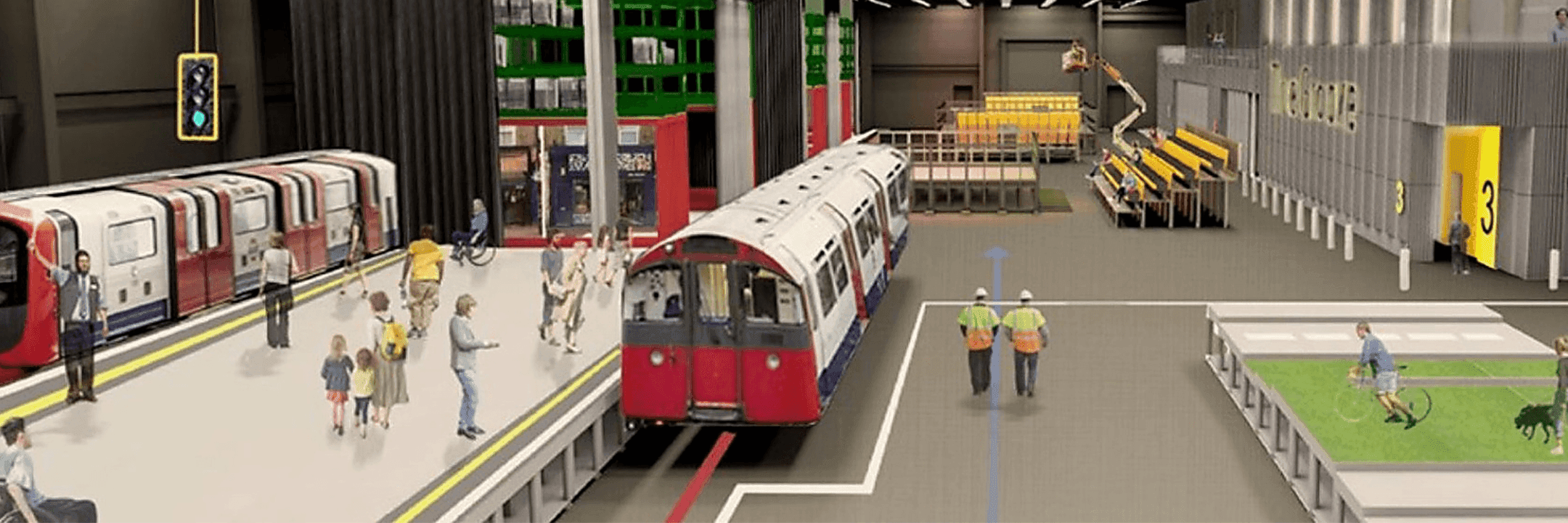
**Fiona Jamieson:** "We opened PEARL at UCL in 2021. It's a space in which we can look at how people interact with the environment around them — physically in the space, the directions they move, but also metrics such as heart rate and sweat levels. PEARL allows us to test hypotheses and collect data without doing it in the real world, which might be disruptive, expensive, or dangerous."
**Steve Mayo:** "I don't think any other university has a facility quite like this. It's 100 metres long and 40 metres wide at its widest point, with unheard-of soundproofing for a space of this size."
Research Projects at PEARL
PEARL has worked on how autonomous shuttles navigate around cyclists and pedestrians, the sounds electric scooters should make, accessible space design with Guide Dogs, and even a full supermarket recreation for a neurodiversity project.
How the TG0 Project Came About
**FJ:** "We set up two different environments — one pleasant, and one around a long-term temporary construction site. The idea was to help an engineering design firm understand how to make people feel safe and help them navigate a construction site during major station redevelopment."
What TG0's Smart Pressure Mats Brought to the Project
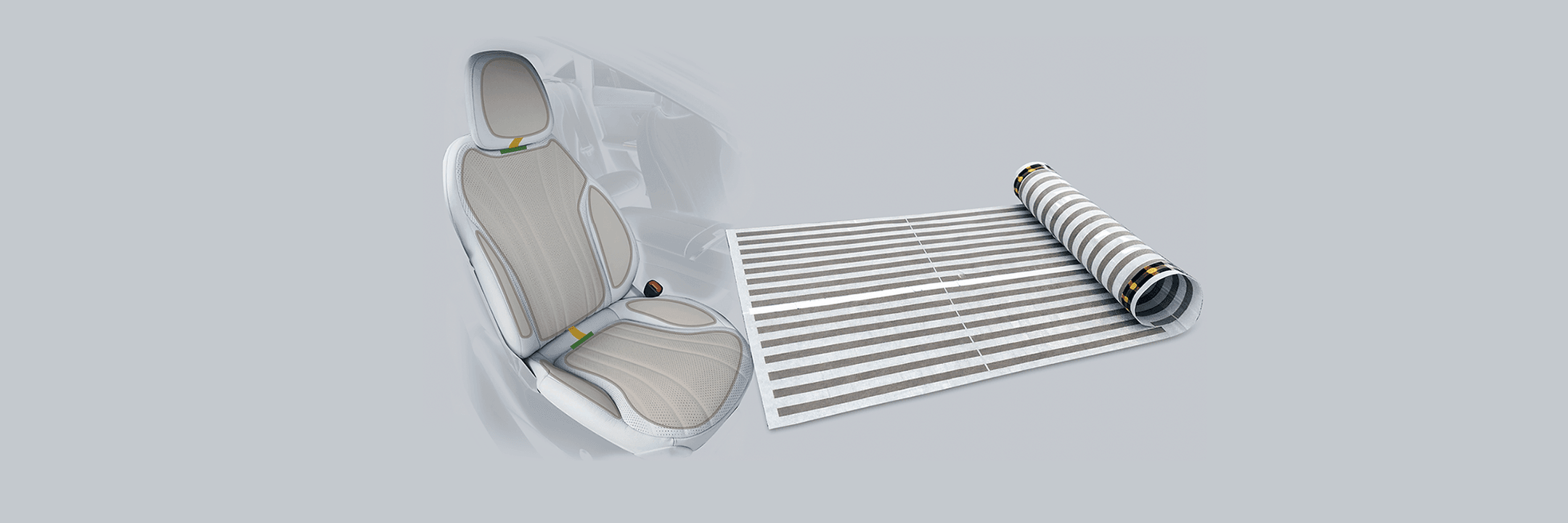
**FJ:** "We gave people a task to do and used TG0's smart mat technology to look at where people were standing and how they moved around each environment. I don't think there's anything else like it on the market. The mats provided another way for us to capture data — in other projects we've had to put QR codes on people's heads to track where they are. The mats have real potential for integration into an actual urban environment. They could show people congregating in a particular place, and give city designers the chance to collect data without using cameras or other intrusive technology."
**SM:** "We also managed to utilise open sound control with the TG0 team. When someone stood on the mat, it triggered a sound effect. That capability has wide applications — you could have a warning light or sound triggered when someone steps on the mat approaching a cycle path, or lighting that turns on as someone approaches a city park."
Predictions for the Future of Smart Cities
**FJ:** "The technology is evolving fast but we need to do more demonstrative testing. The general public is, rightly, a bit sceptical about why some of these technologies are being integrated with smart cities, and whether it's safe. PEARL enables us to do that testing before integration. Sometimes plans look amazing, but you can spend millions of pounds integrating technology into a city before realising half of the people don't use it. Technologies like TG0's smart mats and the capabilities of PEARL are really good indicators of that potential."