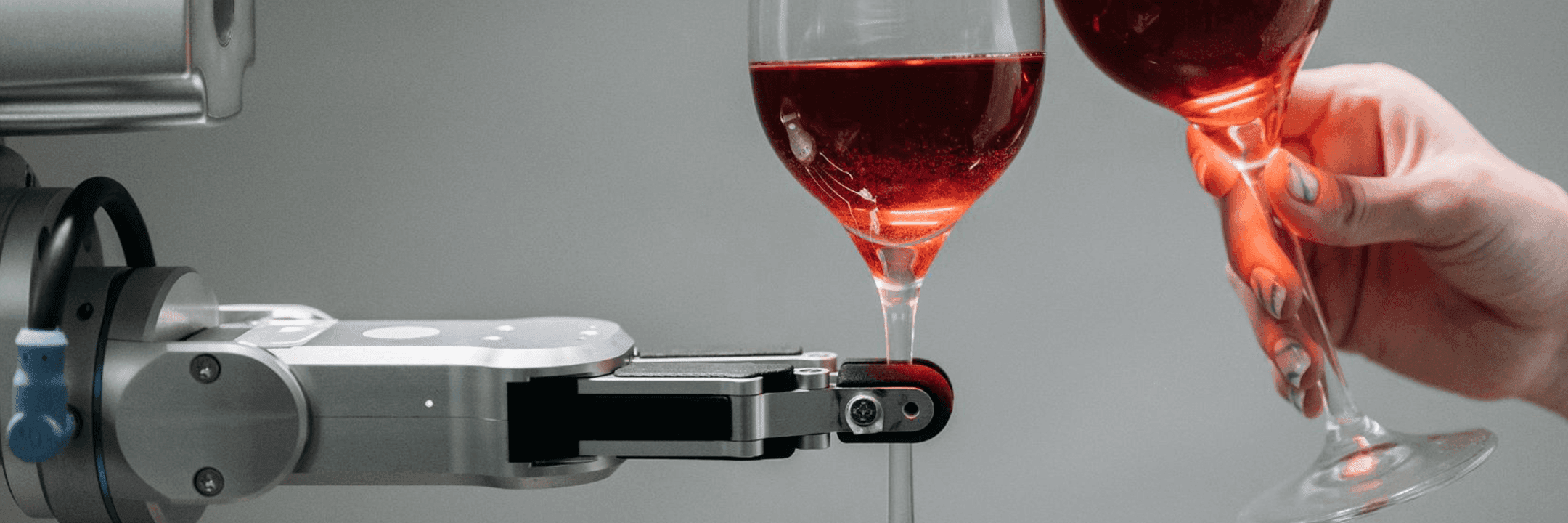
In robotic manipulation, grip force is only part of the equation. While pressure sensors and force-torque feedback are widely used to measure applied force, they offer limited insight into whether an object is slipping within the gripper, especially in dynamic or variable environments.
Slip is a nuanced mechanical interaction that occurs when force distribution changes, friction thresholds are exceeded, or micro-vibrations propagate along the contact surface. Without early detection, robots risk dropping objects, overcompensating with excessive force, or failing to complete tasks accurately.
Why Existing Methods Fall Short
Most robotic grippers today rely on force/torque sensors at the wrist or fingertips, vision systems for object tracking, and capacitive or piezoresistive sensors for pressure mapping. Each has limitations:
- **Force sensors** don't detect lateral micro-movements within a grasped object - **Vision** can't always see what's happening inside the gripper, especially in occluded or cluttered environments - **Pressure sensors** may register contact, but not whether that contact is shifting
What's missing is a sensing layer that can monitor dynamic surface interactions — giving robots a way to detect slippage as it begins and adjust accordingly.
TG0's Approach: Surface-Based Slip Detection
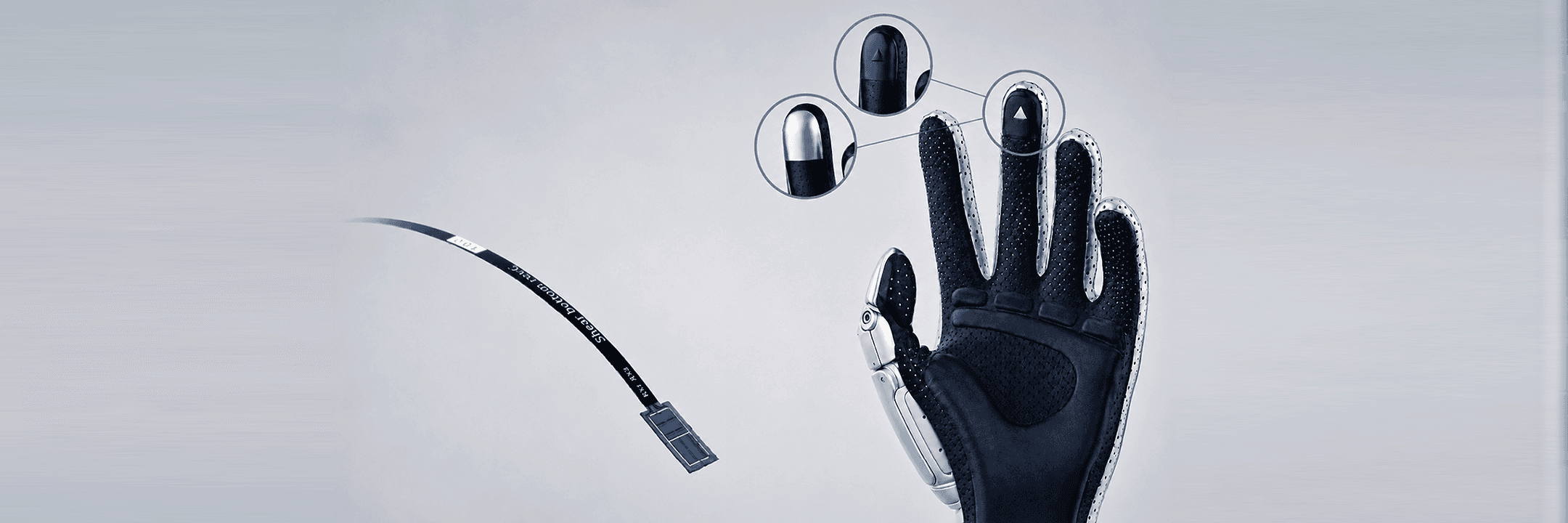
TG0's sensing technology uses a proprietary elastomer-based interface that captures both normal and shear input across a continuous surface. By analysing spatial and temporal signal changes, the platform can infer when an object is in stable contact, beginning to shift (incipient slip), or has fully slipped or is at risk of falling.
This offers real-time feedback that complements existing pressure or force sensors, or can act as a standalone solution in low-profile or form-constrained designs.
Application Areas
TG0's sensing platform is being explored for integration in grippers across a range of domains:
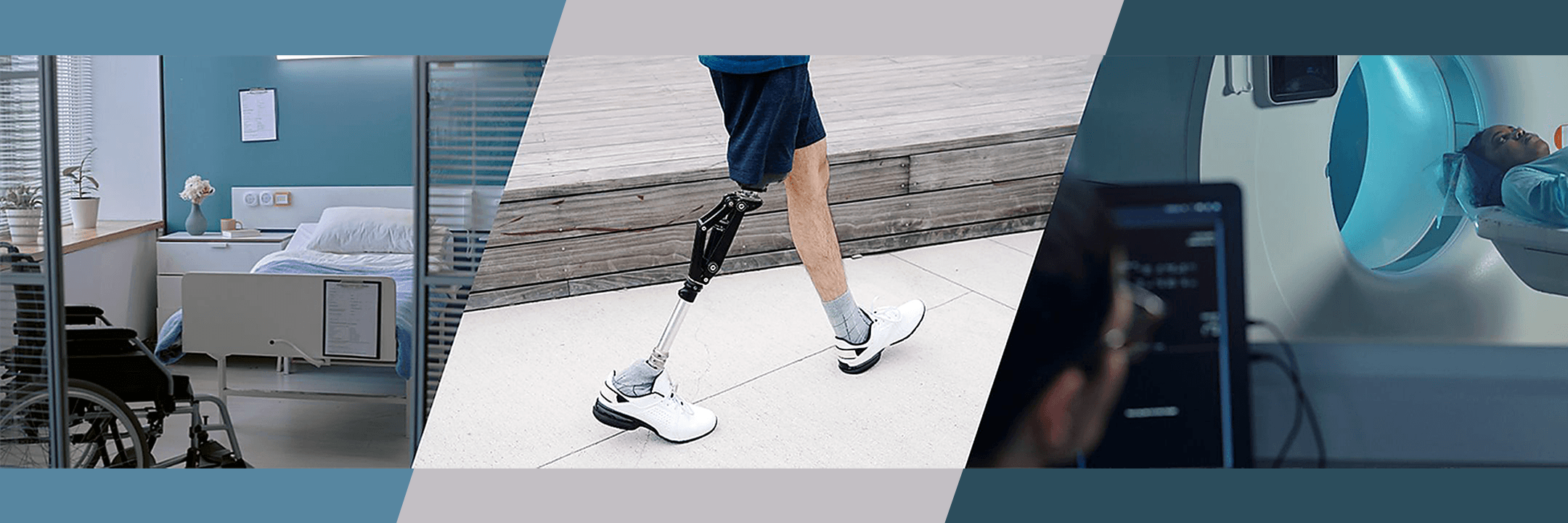
- **Logistics & e-commerce:** Detecting parcel slippage during fast pick-and-place cycles or AMR hand-offs - **Assembly lines:** Preventing misplacement or tool drops during dynamic part manipulation - **Agri-tech:** Handling delicate produce with enough grip to secure, but not bruise - **Medical robotics:** Enabling robotic assistants to hold and pass tools without human intervention - **Home robotics:** Supporting adaptive manipulation of varied household items without visual dependency
Integration & Implementation
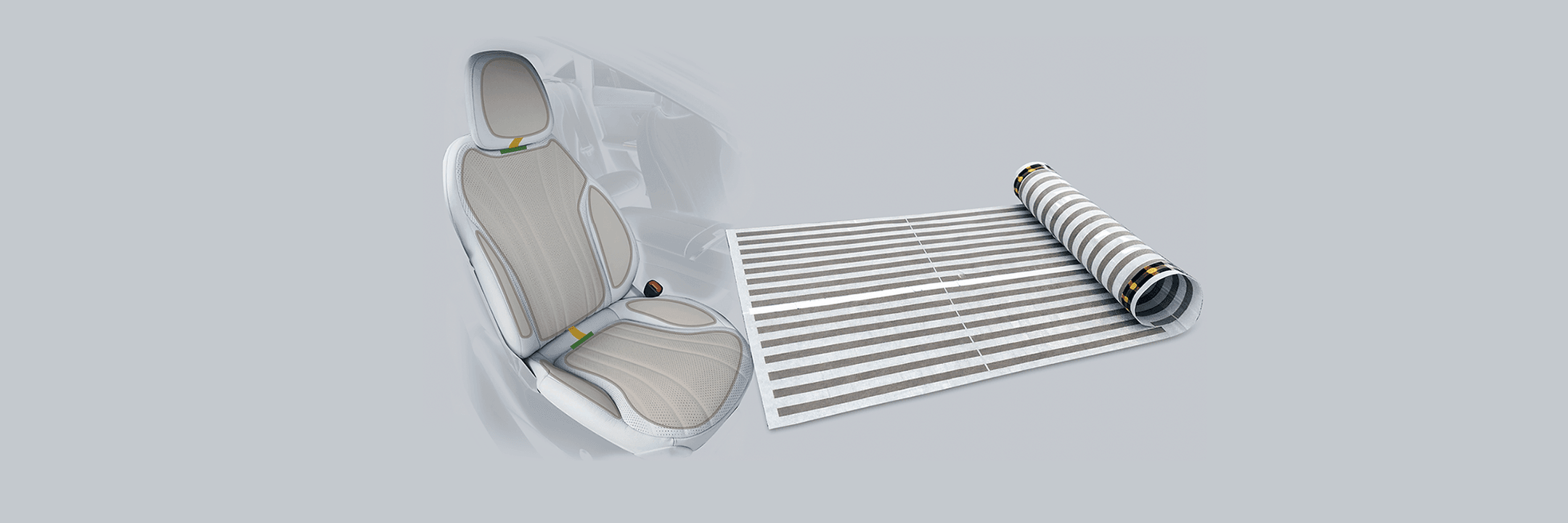
TG0's sensors can be embedded into gripper pads or shells with a minimal hardware footprint. Benefits include:
- **Flexible form factors:** Sensors conform to curved or irregular surfaces - **Software-defined calibration:** Grip thresholds and slip detection models can be tuned based on material type, task, or use case - **Cost-efficient scaling:** Compared to multi-sensor arrays, TG0's single-surface solution reduces wiring, data processing, and mechanical complexity
TG0 also supports rapid prototyping and API-level integration with ROS-compatible environments, making it easier for developers and OEMs to evaluate and deploy slip detection features without a full redesign.
Moving Toward Safer, Smarter Control
Robots are increasingly expected to interact with complex environments and handle a wide range of objects. Slip detection is a critical — and often under-addressed — element of reliable robotic manipulation. TG0's surface-integrable sensing platform provides a practical, scalable path toward robots that can genuinely feel what they're holding.