Thoughtful design choices can lead to eco-friendly manufacturing solutions and drive industry innovation.
Driven by customer demands and regulatory pressures, the global focus on sustainability has shifted from ambition to action. The Brundtland Commission Report of 1987 popularised sustainable development as "meeting the needs of the present without compromising the ability of future generations to meet their own needs." The subsequent Millennium Development Goals and Sustainable Development Goals embedded these principles further.
In the early years, sustainability was often seen as an ideal — desirable but distant, secondary to immediate economic concerns. That future is now upon us. Evidence supports this shift: 87% of senior decision makers surveyed in the 2023 Sustainability in Manufacturing report indicated that sustainability is becoming more important within their organisations.
What is Sustainability and Sustainable Manufacturing?
The European Environment Agency defines sustainability as "meeting the world's needs of today and tomorrow by creating systems that allow us to live well and within the limits of our planet."
The US Environmental Protection Agency defines sustainable manufacturing as "the creation of manufactured products through economically-sound processes that minimise negative environmental impacts while conserving energy and natural resources."
Sustainability encompasses reducing carbon footprint, resource efficiency, embracing a circular economy, social responsibility, and ethical supply chain management. In product design, the Triple Bottom Line (TBL) framework — evaluating social and environmental impacts alongside financial performance — provides a comprehensive approach.
Using this framework, sustainability in product design and manufacturing can be defined as: *"The process of creating products that address environmental, social, and economic impacts. This includes utilising recyclable or bio-based materials, designing for durability and ease of repair, and minimising energy consumption and waste throughout the manufacturing process."*
The Challenges
Putting this into practice is hard. The manufacturing value chain — from engineering and design to sourcing, production, transportation, and disposal — is complex, with many factors beyond any single company's direct control. In the Sustainability in Manufacturing report, 54% of respondents cited supply chain sustainability as a key challenge, while 40% struggled to scale sustainability initiatives despite success in smaller projects.
TG0's Approach
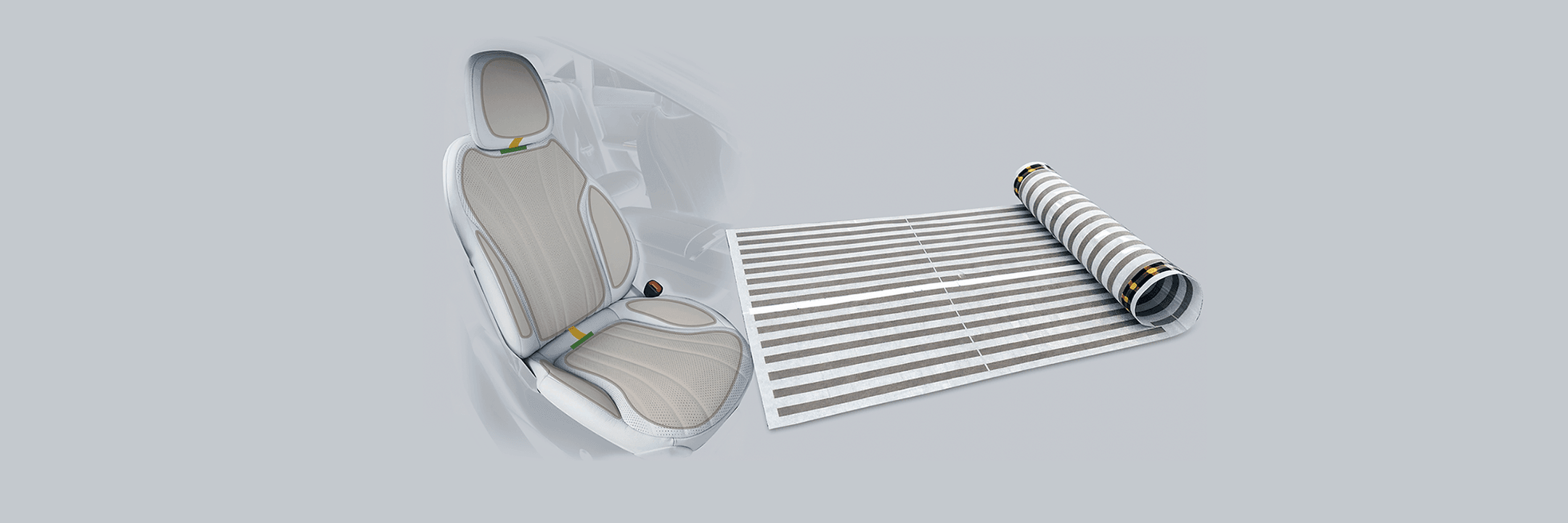
At TG0, we focus on what we can control — concentrating on strategies and actions where our technology and methods can advance sustainability, always aiming to expand that impact. Our use of conductive polymer materials rather than traditional electronic assemblies reduces the number of components required, simplifies disassembly, and opens paths toward recyclability that conventional sensing approaches don't easily permit.
Sustainability in product design is a complex journey requiring patience, dedication, innovation, and adaptability. The goal is not perfection from day one, but continuous improvement — and that process starts at the design stage.